

Vinoforum 2026: Rome’s Must-Visit Wine and Food Festival

Rome does not need much help feeling unforgettable, but add Italian wine, chef-led tastings, and warm evening air, and the city takes on a different rhythm. That is the pull of Vinoforum, one of Rome’s standout food and wine events, where the glass matters as much as the setting.
For travelers planning a Rome trip in 2026, this festival is worth building an evening around. It brings together wineries, food producers, chefs, and curious visitors in a format that feels both polished and relaxed. You can taste widely, ask questions, discover regions beyond the famous names, and enjoy Rome after dark with a glass in hand.
What makes Vinoforum special
Vinoforum is not just a place to sample wine. Its appeal comes from the mix of Italian wine culture, regional food, and live festival energy. It gives visitors a practical way to explore Italy’s huge wine map without leaving Rome.
A single evening might introduce you to crisp whites from the northeast, structured Tuscan reds, volcanic wines from central Italy, or southern bottles made from native grapes you do not often see outside the country. The pleasure is in the range. Italy has hundreds of grape varieties, and a festival setting makes that variety feel approachable.
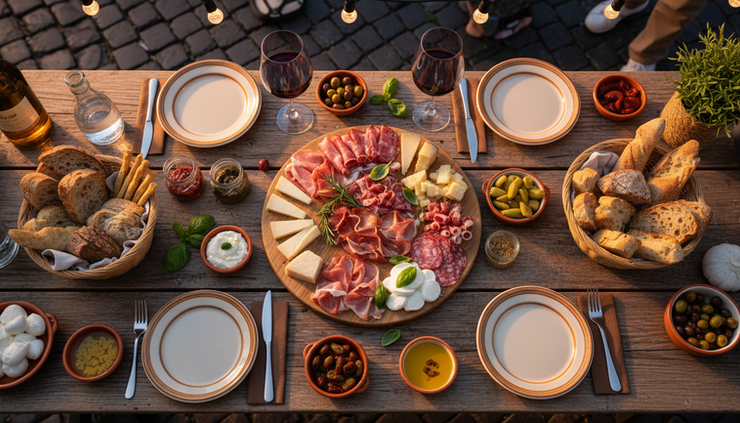
The food side matters too. Wine festivals can sometimes treat food as an afterthought. Vinoforum tends to place wine and cuisine side by side, which makes sense in Italy, where bottles are rarely understood apart from the table.
Expect the experience to feel social rather than formal. Some guests arrive ready to compare vintages and producers. Others simply want a memorable Roman night out. Both fit.
What to expect at the festival
The exact 2026 program should be checked on the official event page, but Vinoforum generally centers on tastings, food stands, special experiences, and meetings with producers. The format makes it easy to move at your own pace.
Common highlights include:
Wine tasting areas
These give guests the chance to try bottles from different producers and regions. For many visitors, this is the heart of the event.
Food pairings and chef-led moments
The best bites often show why Italian wine works so well with local ingredients, from cheeses and cured meats to pasta, seafood, and street-food-style plates.
Producer conversations
Speaking with winemakers or winery teams can make a tasting more memorable. A short chat about soil, grapes, or family history can change how you understand the glass.
Evening atmosphere
Rome is especially beautiful after sunset. A food and wine festival feels made for that time of day, when the heat softens and the city becomes more relaxed.

The festival is a good fit for people who like choice. You can keep the night casual with a few tastings and a plate of food, or pay closer attention to producers, regions, and pairings. Either way, the setting does much of the work.
How to plan a smooth visit
A little planning helps, especially for a popular event in Rome. Start with the practical details: date, entrance rules, ticket options, location, and opening hours. Since event details can change, the official listing is the safest place to confirm current information.
If the festival offers tasting packages or special access options, compare them before buying. A basic entry may be enough for a relaxed visit. A more complete option could make sense for serious wine lovers or anyone who wants a fuller tasting experience.
Give yourself time. Wine festivals are more enjoyable when you are not rushing from booth to booth. Plan to spend at least part of the evening there, especially if food is a priority.
A few simple tips can improve the night:
Eat before your first tasting, even if you plan to eat at the festival.
Drink water throughout the evening.
Keep notes on bottles you like, since names can blur after several tastings.
Ask producers what food they would pair with a wine.
Use public transportation or a taxi rather than driving.
Pacing matters. Italian wine culture values enjoyment, not speed. Taste, pause, eat, talk, then taste again.
What to taste if you are new to Italian wine
Italy can feel complicated at first. That is part of its charm. A festival like Vinoforum makes it easier because you can compare styles in real time.
If you are unsure where to start, try building your own tasting path. Begin with sparkling wine or a fresh white, move to rosé or a lighter red, then finish with fuller reds or dessert wines if available.

Look for native grapes, not only familiar ones. Italy’s best surprises often come from names that are less common in export markets. Depending on the producers present, you might encounter grapes from Lazio, Campania, Sicily, Piedmont, Veneto, or other regions.
Lazio, Rome’s home region, deserves special attention. Many travelers associate Italian wine with Tuscany or Piedmont first, but local and regional bottles can be especially rewarding when tasted in the place they come from. Ask for something that pairs well with Roman dishes. That simple question often leads to a better glass.
Food can guide the tasting too. A bright white with seafood, a structured red with grilled meat, or a lively sparkling wine with fried bites can show how balance works. The pairing does not need to be perfect. It just needs to make the next sip more interesting.
Why it belongs on a Rome itinerary
Rome’s major sights fill the day fast. The Colosseum, the Vatican Museums, Trastevere, the Pantheon, and long lunches all compete for attention. Vinoforum offers a different kind of memory. It is less about checking off a landmark and more about feeling the city through taste.
That makes it ideal for a second or third evening in Rome, after the first rush of arrival. It also works well for repeat visitors who want something beyond the usual route.
The event also helps connect Rome to the rest of Italy. Each producer brings a region, a climate, and a food tradition into the city. For a traveler, that is useful. A wine tasted here might inspire a future trip to a vineyard area, a countryside lunch, or a smaller town that was not on the original plan.
For the latest schedule, ticket details, and visitor information, check the official Turismo Roma listing for Vinoforum 2026.
A good Rome trip leaves space for surprise. Vinoforum offers exactly that: a night where wine, food, and place come together naturally, one tasting at a time.


Comments